Why Heritage Roofing Scotland Matters for Homeowners in Bearsden and Beyond
When you drive through Bearsden or many of the older suburbs around Glasgow, one of the first things you notice is the roofs. They are not all the same. Some are steep pitched roofs covered in dark Scottish slate, others have the warm curve of pantiles, and a fair few are flat roofs topped with roofing felt. Each type tells a story about the building's age, its original purpose, and the materials that were available when it was built. For homeowners in conservation areas or with older properties, keeping that story intact is not just about looks. It is about maintaining the structural integrity of the house and respecting the character of the neighbourhood.
I have spent years working with traditional buildings across central Scotland, from tenement blocks in Glasgow to Victorian villas in Bearsden and stone cottages in Stirling. One thing I have learned is that modern roofing solutions do not always suit older structures. A quick fix with the wrong material can cause damp, rot, and long-term damage that costs far more to repair than doing the job properly the first time. That is where the idea of heritage roofing Scotland comes into its own. It is not a marketing term. It is a practical approach that respects the building's original construction and uses materials and methods that are appropriate for the climate and the structure.
Scottish Slate and Why It Matters
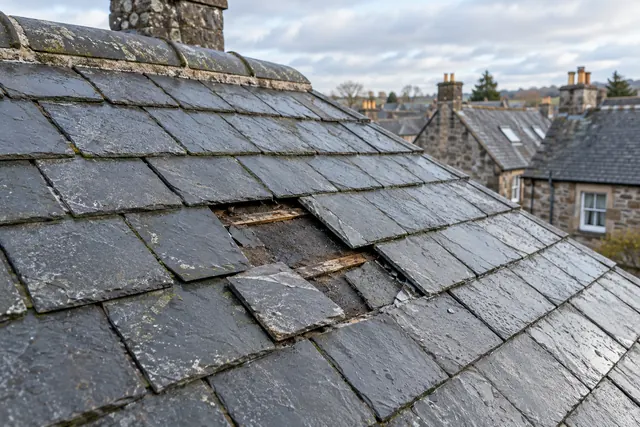
Scottish slate is one of the finest natural roofing materials in the world. It is dense, durable, and comes in a range of subtle colours from blue-grey to purple-green. Quarries in the Highlands and islands produced millions of slates over the centuries, and many of those roofs are still performing well today. But slate is a finite resource. New Scottish slate is scarce and expensive, so experienced roofers often salvage and reuse old slates from demolition sites or re-roofing projects. Matching existing slates on a repair job requires a good eye and a knowledge of local quarry sources. It is not something a general builder can always do well.
On a recent project in a Bearsden conservation area, we had to replace a section of a pitched roof that had been damaged by wind. The original slates were from a quarry near Ballachulish, now long closed. We sourced second-hand slates of the same size and thickness, then carefully cut and fitted them to match the original courses. The result blended seamlessly. If we had used a cheaper imported slate, the colour and texture would have stood out like a sore thumb, and the roof would have lost some of its character. That is the difference that a focus on heritage roofing Scotland makes.
Lead Flashing and Guttering Details
Another area where traditional skills matter is lead flashing. Lead is soft, malleable, and lasts for decades if installed correctly. It is used around chimneys, valleys, and rooflights such as Velux windows. But modern substitutes, like lead substitute materials, often fail in the first few years because they expand and contract at different rates to the building. A good roofer will still use real lead for heritage work, even though it costs more upfront. The long-term savings in repairs and replacements more than justify the initial expense.
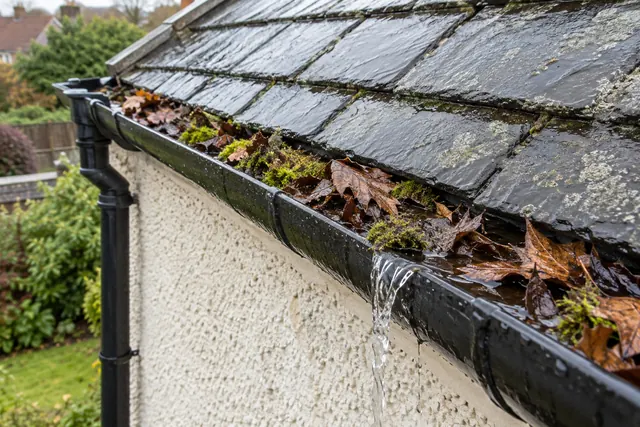
Guttering on older houses is another detail that gets overlooked. Many Victorian and Edwardian properties in Bearsden and Glasgow have cast-iron gutters that are original to the building. These are heavy, durable, and have a profile that suits the architecture. Replacing them with modern plastic guttering can look wrong and sometimes creates problems with water flow because the cross-section is different. Where possible, I recommend repairing or re-casting original sections. If that is not feasible, there are manufacturers that produce reproduction cast-iron guttering in the correct profiles. It is a small detail, but it makes a big difference to the overall appearance of the house.
Repointing and Stone Restoration
Roof work rarely stops at the slates. The condition of the stonework and the pointing around the eaves and chimneys is just as important. Repointing with the wrong mortar can trap moisture inside the walls and cause spalling. For heritage buildings, the mortar mix needs to be lime-based, not cement-based, because lime allows the walls to breathe. Cement mortars are too hard and impermeable, and they can cause the stone to crumble over time. Stone restoration is a specialist trade in its own right, but a roofer who understands heritage work will know when to call in a stonemason and how to coordinate the two jobs so the roof and walls work together as a system.
I have seen too many cases where a new roof was put on a house but the chimney stacks were left untouched. Within a few years, water worked its way through the cracked pointing and into the roof structure, causing rot in the timbers. A proper heritage roofing job includes inspecting and repairing the masonry and the lead work at the same time. It is not just about the visible surface. It is about the whole building envelope.
Flat Roofs and Roofing Felt
Not every older property has a pitched roof. Many Victorian and Edwardian houses have flat roofs over bays, extensions, or outbuildings. These are often covered with roofing felt, which is a layered system of bitumen and reinforcing fabrics. Modern felt systems are much better than the old ones, but they still need to be installed with care. On a heritage property, the felt should be chosen to match the original colour and texture where possible. Some conservation officers in areas like Edinburgh or Stirling will specify the exact type of felt to be used, even down to the finish on the top layer.
Flat roofs also need adequate falls and proper drainage. Standing water will kill any felt system quickly. Adding insulation underneath can improve energy efficiency without changing the roof's external appearance. That is something many homeowners do not think about until they have a leak.
Roof Inspections and Planning for the Future
If you own an older property in Bearsden or anywhere in central Scotland, a regular roof inspection is one of the best investments you can make. A roofer with experience in heritage work will know where to look for early signs of trouble: lifted slates, degraded lead flashings, blocked gutters, or moss growth that can hold moisture against the slates. Catching these problems early costs a fraction of what a full replacement would cost.
Many homeowners also do not realise that work on a heritage property may need planning permission or listed building consent, especially if the building is in a conservation area. Local authorities in Glasgow, Bearsden, Stirling, and Edinburgh all have different requirements. A roofer who works regularly on heritage properties will be familiar with the process and can advise you before you start. That can save you a lot of headaches later.
Choosing the Right Roofer for Heritage Work
Not every roofing company is set up to do heritage work properly. It requires a different skill set and a willingness to source traditional materials. When I recommend a roofer to a homeowner, I look for someone who has experience with Scottish slate, lead flashing, repointing, and stone restoration. I also look for someone who understands the local building styles, whether that is the pantiles of the Lothians or the Baltic roofing styles you sometimes see in parts of Glasgow's West End.
Castle roofing is another area where traditional skills are vital. Castles and tower houses have very thick walls, steep roofs, and often complex lead work around parapets and battlements. The same principles apply as for a Victorian house, but the scale and the materials can be different. A roofer who has worked on a National Trust for Scotland property will have a level of experience that is hard to beat.
Baltic roofing, a term you sometimes hear for the high-quality timber and slate work brought over by Baltic merchants in the 18th and 19th centuries, is another style that survives in some Scottish ports. It is not common, but when you come across it, you need a roofer who recognises the construction methods used.
Practical Advice for Homeowners
If you are planning roof work on an older property, here are a few things to keep in mind based on what I have seen work well over the years:
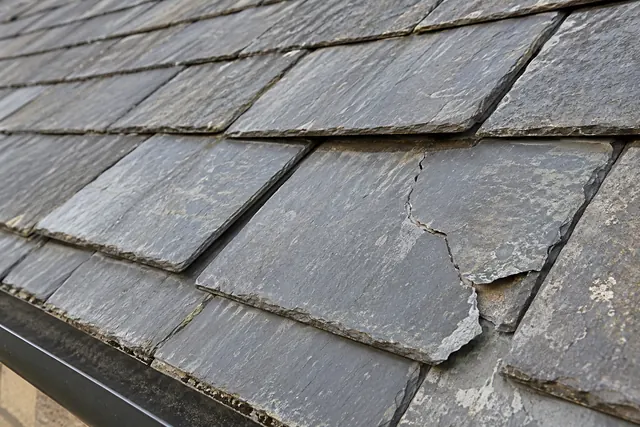
- Always get a roof inspection before buying a period property. It gives you bargaining power and a clear picture of what needs doing.
- Ask potential roofers about their experience with Scottish slate and heritage buildings. A good roofer will be proud to show you examples of their work.
- Do not automatically replace old materials with modern ones. Sometimes reusing the original slates or repairing the lead is the better option.
- Check whether the property is in a conservation area or is a listed building. The local planning department can tell you what restrictions apply.
- Budget for a full job, not a patch. Cutting corners on a heritage roof often leads to bigger costs later.
Heritage roofing Scotland is not about being precious or fussy. It is about doing the job right so the building stays sound for another hundred years. That is good for the homeowner, good for the neighbourhood, and good for the wider built heritage of Scotland.
Whether you live in a Bearsden villa, a Glasgow tenement, or a stone house in Stirling, the roof is the most important protective layer your building has. Spend the time and the money to get it right, and you will not regret it.
Ends · HERITAGEROOFINGSCOTLANDINSIDER